Imagine you’re setting sail on the vast ocean of entrepreneurship, and suddenly, storm clouds gather. What’s your lifeboat? For small businesses, it’s insurance. Whether you’re a startup or a well-oiled machine, small business insurance isn’t just a safety net—it’s your unsinkable ship in the sea of uncertainties.
In the bustling marketplace, the importance of insurance can’t be overstated. From liability to property, knowing the ins and outs of small business insurance is like having a compass that points to security and peace of mind. Buckle up as we dive deep into everything you need to know about this vital business asset.
Overview of Small Business Insurance

Did you know that 40% of small businesses have no insurance? That’s a gamble that can lead to disaster.
Small business insurance is your financial safety net. It shields your business from unforeseen events like lawsuits, property damage, or theft. Without it, you’re not just risking your business—you’re risking everything you’ve built.
The Importance of Coverage
Imagine your business facing a costly lawsuit. Without insurance, that could be the end. That’s why having the right policy is crucial. General liability insurance covers legal fees and damages. Property insurance protects your physical assets. And workers’ compensation is essential if you have employees.
Beyond protecting assets, insurance builds trust with clients. They know you’re serious about your business and prepared for the unexpected.
Types of Small Business Insurance
Let’s break it down. General liability, property insurance, and workers’ comp are just the start. You might need professional liability if you offer expert services. Commercial auto insurance is vital if you use vehicles. And don’t forget business interruption insurance—it helps if your operations are halted due to unforeseen events.
Pro Tip:
Always assess risks specific to your industry. Tailor your insurance plan to those needs.
Consequences of Skipping Insurance
Think insurance is costly? Try litigation. A single lawsuit can sink your business. Plus, property damage or a natural disaster could wipe out everything.
Here’s the deal: Not having insurance is like driving without a seatbelt. It might save you money short-term, but the risk isn’t worth it. Protect your livelihood and get peace of mind.
Types of Small Business Insurance
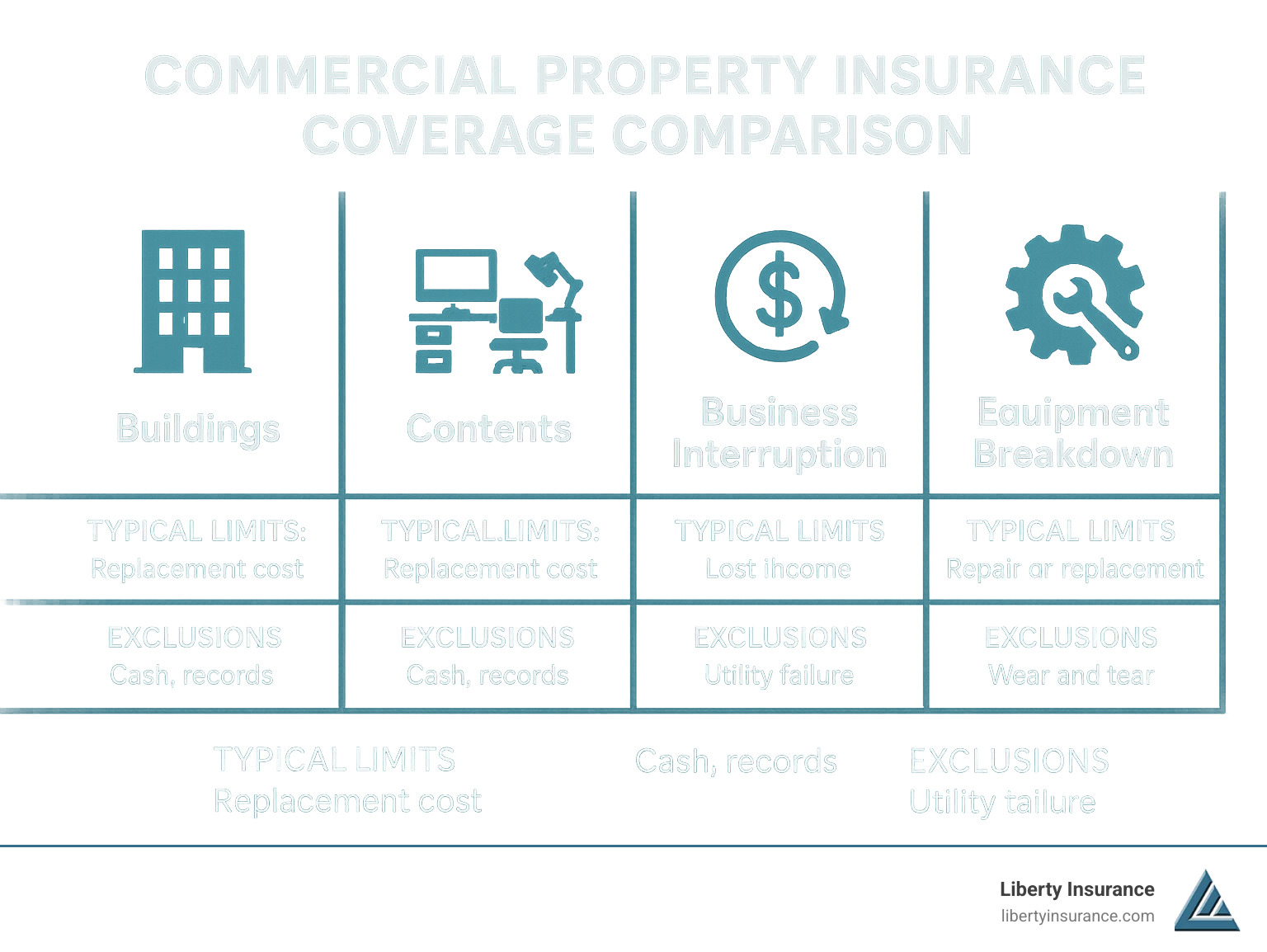
Did you know that a single lawsuit can cripple your small business? That’s why getting the right insurance is crucial. It’s not just about protection, it’s about survival.
There are several insurance types that can safeguard your business. Let’s break them down so you can see which ones are a perfect fit for you.
General Liability Insurance vs. Property Insurance
General Liability Insurance covers legal hassles due to accidents, injuries, and claims of negligence. On the other hand, Property Insurance protects your physical assets against events like fire, theft, or vandalism. Here’s the deal: while liability insurance keeps your company financially safe from lawsuits, property insurance ensures that your tangible assets are secure.
| Insurance Type | Coverage | Cost | Benefits |
|---|---|---|---|
| General Liability | Injuries, property damage, advertising injuries | $$ – $$$ | Protects against lawsuits and legal fees |
| Property Insurance | Fire, theft, natural disasters | $$$ | Covers repair and replacement of physical assets |
Next, let’s look at some specialized insurance types that are tailored for specific industries.
Professional Liability Insurance
Professional Liability Insurance, also known as Errors and Omissions (E&O) insurance, is a must-have if you provide professional services. It covers you against claims of negligence or inadequate work. Here is the deal: if a mistake on your part costs your client money, this insurance ensures you’re not paying it out of pocket.
Pro Tip: Always assess the unique risks of your business to choose the right insurance types. A mismatch could leave you vulnerable when you least expect it.
Now, let’s dive deeper into industry-specific insurance options.
Workers’ Compensation Insurance
If you have employees, Workers’ Compensation Insurance is essential. It covers medical expenses and a portion of lost wages for employees who become injured or ill on the job. BUT, here’s what’s interesting: it also protects you from being sued by those employees.
Let’s keep going and explore another critical insurance type.
Commercial Auto Insurance
Using vehicles for business? Then Commercial Auto Insurance is non-negotiable. It covers damages caused by vehicles used for business purposes. Remember, personal auto insurance won’t cut it here.
With these insights, you’re better equipped to choose the right mix of insurance for your small business.
Benefits of Commercial Insurance for Small Businesses
Did you know that 40% of small businesses face potential disasters within their first year? The good news is, commercial insurance can be your safety net.
Commercial insurance is not just a nice-to-have. It’s a must-have for any business owner who wants to sleep soundly at night. Let’s dive into the concrete benefits it offers.
Protection Against Lawsuits and Claims
One slip-and-fall incident could cost your business everything. Commercial insurance shields you from massive legal costs by covering lawsuits and liability claims. Even the most careful businesses can’t prevent every accident. Be proactive rather than reactive.
Imagine a scenario where a customer is injured on your premises. Without insurance, you could face hefty legal and medical bills. But with the right coverage, those expenses are taken care of.
Safeguard Your Assets and Inventory
Your business assets are the backbone of your operations. From equipment to inventory, losing them could be disastrous. Commercial insurance protects these assets from damage or theft.
Consider a fire that wipes out your entire stock. Do you have the funds to replace everything? With commercial insurance, you’re not left picking up the pieces alone.
“The average theft costs small businesses $25,000 in damages and lost revenue.”
Here’s the deal: Insurance ensures that your cash flow isn’t disrupted by unexpected disasters. It’s like a financial backup plan that you hope you’ll never need but are glad to have.
Choosing the Right Insurance for Your Business
Did you know that 40% of small businesses never reopen after a disaster? The right insurance can be your business’s safety net. But with so many options, how do you choose?
Here is the deal: selecting the right insurance is like building a strong foundation. You need to ensure you’re covered for every possible risk without breaking the bank. It’s not just about picking a policy; it’s about choosing the right one that aligns with your business needs.
Step-by-Step Guide to Selecting Suitable Insurance
The first step is to assess your risks. What are the most likely threats to your business? Understanding your vulnerabilities is crucial. Step #2, research different types of insurance that address those risks. This could be general liability, property, or even cyber insurance.
Next, compare policies. Look not only at the price but also at what each policy covers. Step #3, consult with an insurance broker to get expert advice tailored to your business. Finally, review your insurance annually to make sure it still fits your evolving needs.
Factors to Consider When Choosing an Insurance Policy
When comparing policies, you should look at more than just the premium. Consider the deductible, policy limits, and exclusions. Also, think about the reputation of the insurer. You want a company that will actually pay out when you need it.
Pro Tip: Don’t skimp on coverage to save money. It could cost you much more in the long run.
It’s also wise to consider bundling policies. Many insurers offer discounts if you purchase multiple policies from them. This could save you a significant amount of money.
Checklist for Evaluating Insurance Providers
Before you commit to an insurance provider, run them through this quick checklist:
- Check their ratings with A.M. Best or Standard & Poor’s.
- Read customer reviews to gauge satisfaction.
- Understand their claims process—how easy is it to file a claim?
- Verify their financial stability—will they be around during tough times?
- Look into additional services like risk management advice.
Following this checklist will help you feel confident that you’re choosing a reliable partner to protect your business.
Cost Considerations for Small Business Insurance
Did you know that nearly 40% of small businesses have no insurance? Many simply can’t afford it. But here’s the deal: understanding how to estimate and manage costs can make insurance more accessible than you think.
Insurance costs are influenced by factors like the industry you’re in, your location, and your business’s risk profile. By breaking down these factors, you can get a clearer picture of what you’re likely to pay, and even find ways to lower those costs.
Estimating the Cost of Insurance for Your Small Business
One of the first steps in estimating your insurance costs is to analyze your risk. High-risk industries, like construction, often face higher premiums compared to low-risk businesses, like consulting. Next, consider your business size and location. Larger businesses or those in areas with higher crime rates might see increased costs. Here’s a pro tip:
Contact a few insurance providers for quotes to get a baseline of what to expect.
These quotes will help you understand the cost range and identify what coverage is essential versus optional.
Strategies to Minimize Insurance Costs
Now, let’s talk about cutting those costs. Step #1: Bundle your policies. If you need multiple types of insurance, look for providers that offer package deals. Step #2: Increase your deductible. A higher deductible can significantly lower your premium. However, make sure it’s an amount you can afford if you need to file a claim. Finally, regularly review and update your coverage to ensure you’re only paying for what you need.
| Policy | Provider | Premium | Coverage |
|---|---|---|---|
| General Liability | Provider A | $500/year | Injury and property damage |
| Professional Liability | Provider B | $750/year | Errors and omissions |
| Business Owner’s Policy | Provider C | $1200/year | Property and liability |
Case Studies of Small Businesses with Insurance
Ever wondered how many small businesses face financial ruin due to unexpected disasters? It’s staggering! In fact, 40% of small businesses never reopen after a catastrophe. Let’s look at some case studies that shine a light on why insurance is not just a safety net, but a business necessity.
These real-world examples highlight both the triumphs of being insured and the painful lessons from going without it. You’ll discover actionable insights that can safeguard your business’s future.
Resilience Through Comprehensive Coverage
Meet Jane, owner of a thriving bakery. One day, a kitchen fire wreaked havoc, causing extensive damage. Thanks to her comprehensive business insurance, she swiftly received funds for repairs and equipment replacement. Her bakery was back in business within a month.
- Insurance covered $50,000 in damages.
- She retained all her employees during recovery.
- Customer trust remained intact.
Lesson: Comprehensive insurance can be a lifeline that helps you bounce back without losing momentum.
“If I hadn’t been insured, I’d have lost everything. Having the right coverage saved my business.”
Lessons from Lack of Insurance
Now, let’s talk about Tom, who runs a small IT consultancy. He always thought insurance was an unnecessary expense. Then, a major data breach hit. Without cyber liability insurance, he faced lawsuits and lost clients. The outcome? A bankrupt business.
- Losses amounted to $200,000 in legal fees and settlements.
- Client trust was irreparably damaged.
Here’s the deal: Going without insurance can cost your business far more than the policy itself.
“Skipping insurance to save money was the biggest mistake of my career.”
The Safety Net of Liability Insurance
Consider Sarah, a freelance graphic designer, who faced a lawsuit over a missed deadline. Her professional liability insurance covered legal fees and a settlement, saving her from financial strain.
Pro Tip: Always assess potential risks unique to your field and get coverage that addresses them specifically.
- Legal and settlement costs were fully covered.
- Business reputation remained undamaged.
Step #1: Identify possible risks.
Step #2: Invest in the right insurance policy.
Last Word
As we dock back at the shore of knowledge, remember that the right insurance policy is more than just a piece of paper. It’s a fortress protecting your dreams from the unpredictable tides of the business world. Choose wisely, sail smoothly, and let your venture thrive unfettered by the waves of risk.
Common Queries
What are the main types of small business insurance?
Common types include liability insurance, property insurance, and workers’ compensation insurance.
Why is liability insurance important for small businesses?
Liability insurance protects businesses from legal claims and lawsuits, offering financial security against unforeseen events.
How can a business estimate the cost of insurance?
Businesses can estimate costs by assessing their needs, considering the types of coverage required, and comparing quotes from multiple providers.
What factors should be considered when choosing business insurance?
Consider the nature of your business, potential risks, coverage needs, and budget constraints.
How does commercial insurance benefit small businesses?
It safeguards assets, ensures business continuity, and provides peace of mind, allowing entrepreneurs to focus on growth.
